AI fleet management
AI Fleet Management
Fleet safety that predicts instead of reporting. Self-learning driver monitoring, collision avoidance, route governance and live contact with the control room.
Overview
From post-event analysis to prevention before the event
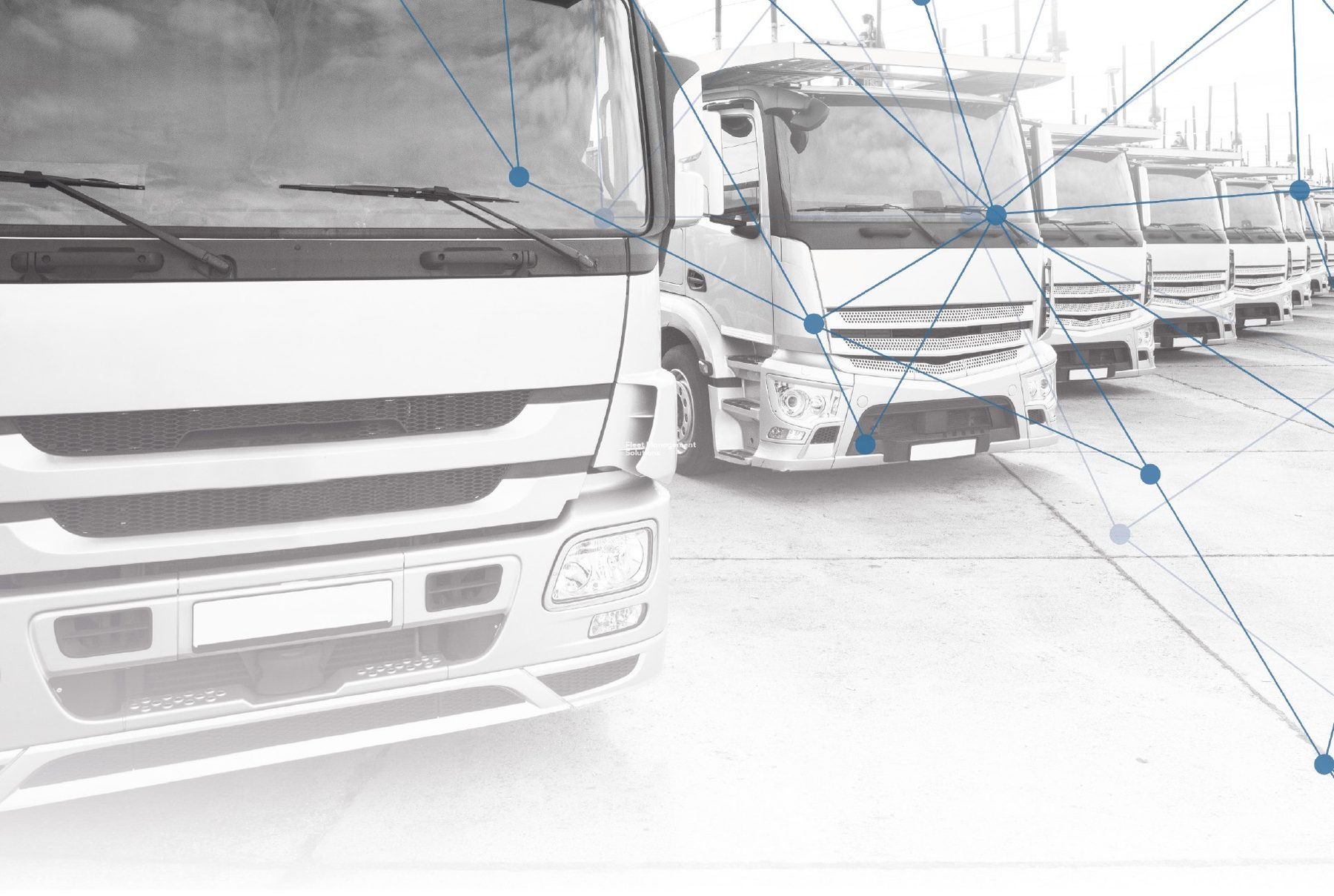
Conventional fleet management detects harsh braking, over-speeding, seat-belt use, location and possibly rollover. It doesn't track planned routes against the journey management system, and it still relies on the driver and the dispatcher to act.
AI fleet management changes the timing. A self-learning algorithm detects driver behaviour a standard telematics box never sees, and intervenes while the incident is still avoidable — with far less reliance on safety engineers and stop cards.
- Proactive: AI analysis of driver performance and attitude, not a report after the fact
- Smart: detection of possible collisions and blind spots around the vehicle
- Governed: higher control over the JMS, including detection of unplanned routes
- Connected: continuous interaction between vehicle and control centre, plus deep statistical reporting
Capabilities
What we design, supply and support
Each capability is delivered end to end — consultancy and design through installation, integration, commissioning and ongoing support.
Driver monitoring (DMS)
Going beyond standard safety measures — detecting risky driver actions, attentiveness and distraction in real time.
- Fatigue driving — yawning detection
- Fatigue driving — eye closure detection
- Distracted driving — smoking
- Distracted driving — phone use
- In-cab alerting at the moment of risk
ADAS — advanced driver assistance
Real-time road condition monitoring: detecting and tracing surrounding vehicles, pedestrians, lane deviation, traffic signs and vehicle speed, predicting potential danger and triggering an alarm.
- Forward collision warning
- Headway monitoring warning
- Lane deviation warning
- Blind-spot detection around the vehicle
- Unsafe front-distance detection
Driver face recognition
Identifies authorised drivers and prevents unauthorised vehicle use — no cards, no PINs, no manual logins.
- Driver identity verified at ignition
- Prevention of unauthorised vehicle use
- Compatible with existing dashcam hardware
- Automatic attendance records
Smart route management
Plan, monitor and adjust routes in real time, with geofencing that enforces the journey management plan rather than reporting on it afterwards.
- Speed limitation and warning
- Active route on e-map
- Electronic fencing — departure, arrival, driving and traffic-restriction zones
- Speed-limit zones
- Detection of unplanned routes
Connectivity & live contact
Constant communication between vehicle, control centre and cloud platform, supporting remote monitoring and instant alerts.
- 3G / 4G / 5G, Wi-Fi and GPS
- Live video and active alarms
- Emergency button and two-way talk
- Remote monitoring and instant alerts
Analytical reporting
Deep statistical reporting that turns fleet telemetry into decisions about training, routing and cost.
- Vehicle route, speed and fuel statistics
- Driver performance analysis
- Warning and attendance statistics
- Integration with PPE and safety compliance reporting
The difference
Conventional telematics vs AI fleet management
Both fit a box to the vehicle. Only one of them changes the outcome while the incident is still avoidable.
| Conventional fleet management | AGIS AI fleet management | |
|---|---|---|
| Timing | Post-event analysis — you learn what happened. | Prevention before the event — the driver is alerted in the cab. |
| What it detects | Harsh braking, over-speeding, seat belt, location, possibly rollover. | All of that, plus fatigue (yawning, eye closure) and distraction (smoking, phone use). |
| How rules are set | A fixed threshold list, written in advance. | A self-learning algorithm that detects behaviour no rule was written for. |
| Road awareness | None — the box only watches the vehicle. | Forward collision, headway and lane-deviation warnings; pedestrians, signs and blind spots. |
| Route governance | Doesn’t track planned routes against the JMS. | Active route on e-map, geofenced zones, and detection of unplanned routes. |
| Driver identity | Relies on the driver logging in. | Face recognition at ignition — no cards, no PINs, no manual logins. |
| Who carries the load | The driver and the dispatcher, backed by stop cards. | Far less reliance on safety engineers; two-way talk to the control room when it matters. |
Integration
Conventional telematics vs AI fleet management
Every AGIS project is designed to sit inside a wider estate. These are the outcomes this practice area contributes once it is integrated rather than isolated.
Prevention before the event
Conventional systems analyse after the fact. AI intervenes while the outcome can still change.
Detects the unseen
Self-learning models catch behaviour no fixed rule set was written for.
Less reliance on people
Fewer stop cards and safety-engineer hours to achieve better compliance.
Related
Solutions that belong in the same design
 Physical Security
Physical Security & Life Safety
AI-based surveillance, access control, perimeter protection and fire & life safety — designed as one system, not six.
 Networking
Networking Solutions
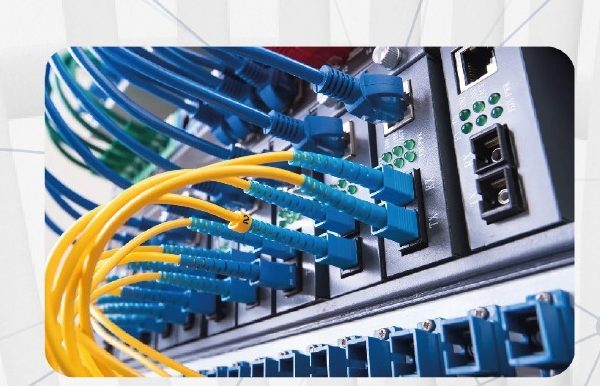
Passive and active infrastructure, enterprise connectivity, wireless and SD-WAN built for bandwidth you haven't needed yet.
 Data Centre
Data Centre Solutions
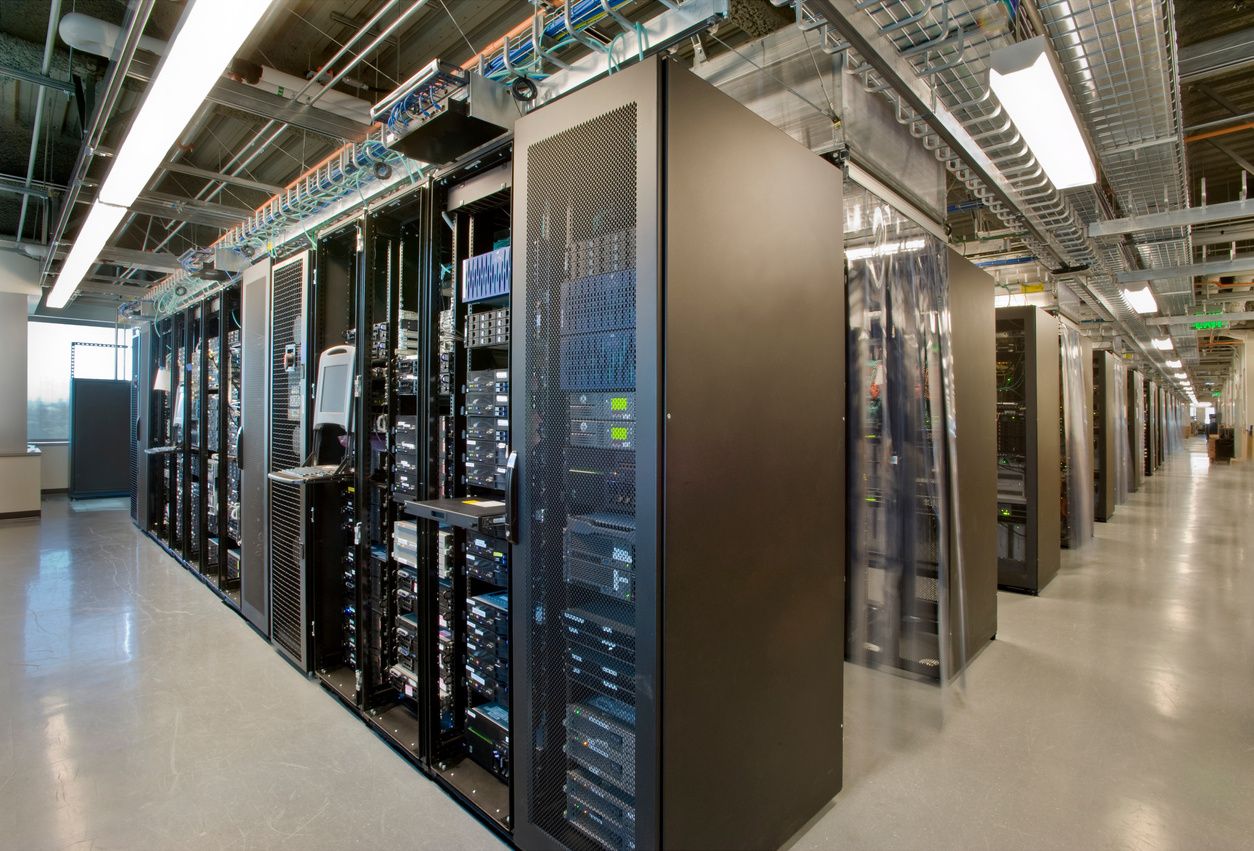
Racks, servers, switching, power protection, storage and virtualisation engineered around uptime.
Planning a ai fleet management project?
Send us the scope, the drawings or just the problem. We'll come back with a technical view — not a quotation you didn't ask for.